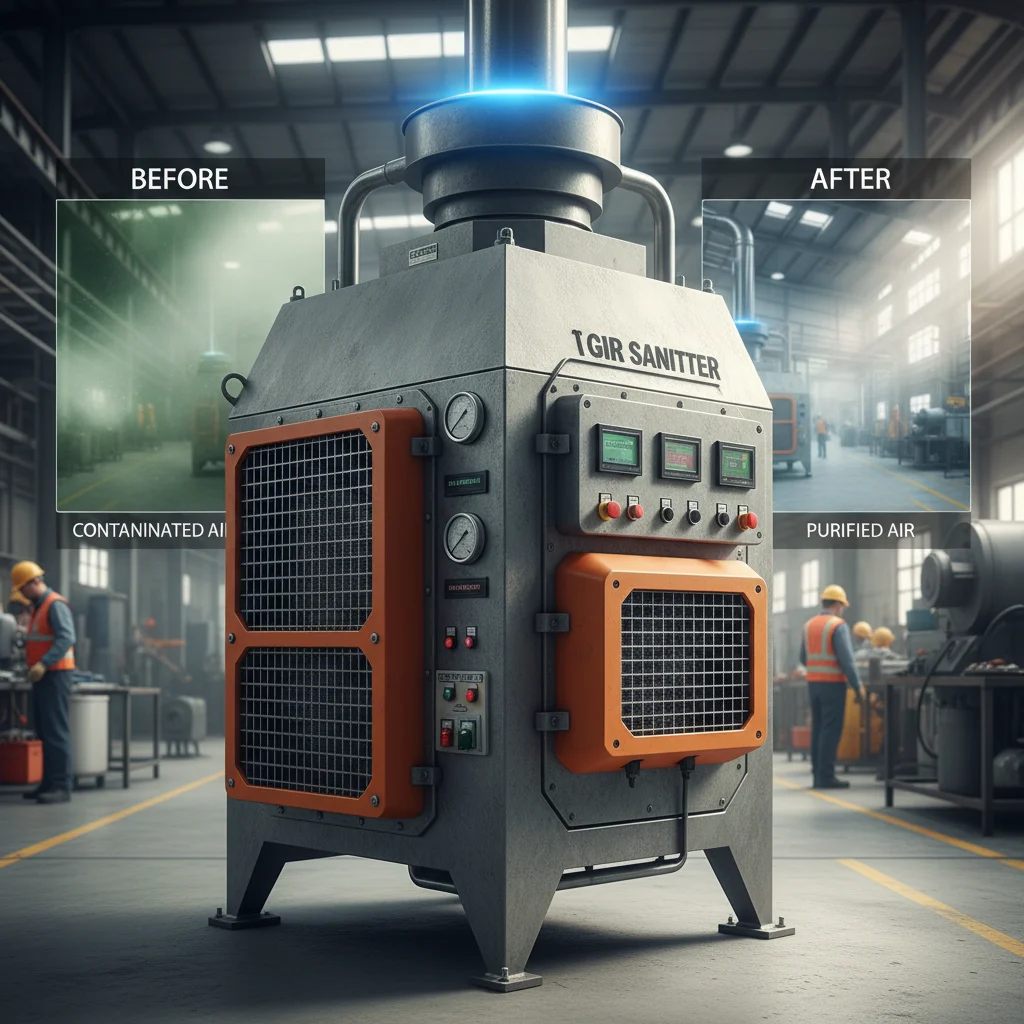
Hospital air filtration systems are critical components of modern healthcare facilities, playing a pivotal role in maintaining sterile environments and preventing the spread of airborne infections. These systems go beyond basic ventilation, actively removing contaminants like bacteria, viruses, dust, and allergens, ensuring patient and staff safety. The importance of effective air filtration has been dramatically highlighted by recent global health crises, emphasizing the need for advanced and reliable technology.
The demand for sophisticated hospital air filtration systems is driven by increasing rates of hospital-acquired infections (HAIs), stricter regulatory standards, and a growing awareness of indoor air quality's impact on health. Globally, HAIs affect millions of patients each year, increasing morbidity, mortality, and healthcare costs. Investing in robust air filtration infrastructure is, therefore, not only a matter of patient care but also of economic responsibility.
Advancements in filtration technology, coupled with innovative designs, are continually improving the efficiency and effectiveness of these systems. From HEPA filters to UVGI systems, the landscape of hospital air filtration is evolving to meet the challenges of an increasingly complex microbial world, becoming increasingly crucial for maintaining a safe and healing environment.
Introduction to Hospital Air Filtration Systems
Hospital air filtration systems represent a cornerstone of infection control within healthcare settings. Their primary function is to remove airborne contaminants that can compromise patient health, particularly for those with weakened immune systems or undergoing invasive procedures. The sophistication of these systems ranges from simple particulate filters to advanced multi-stage filtration utilizing HEPA technology, UV irradiation, and activated carbon.
Effective implementation requires careful consideration of airflow patterns, filter selection, and regular maintenance to ensure optimal performance. Properly designed and maintained systems minimize the risk of healthcare-associated infections, contributing significantly to improved patient outcomes and reduced healthcare costs. Understanding the intricacies of hospital air filtration systems is essential for healthcare administrators, engineers, and infection control specialists alike.
Defining Hospital Air Filtration Systems
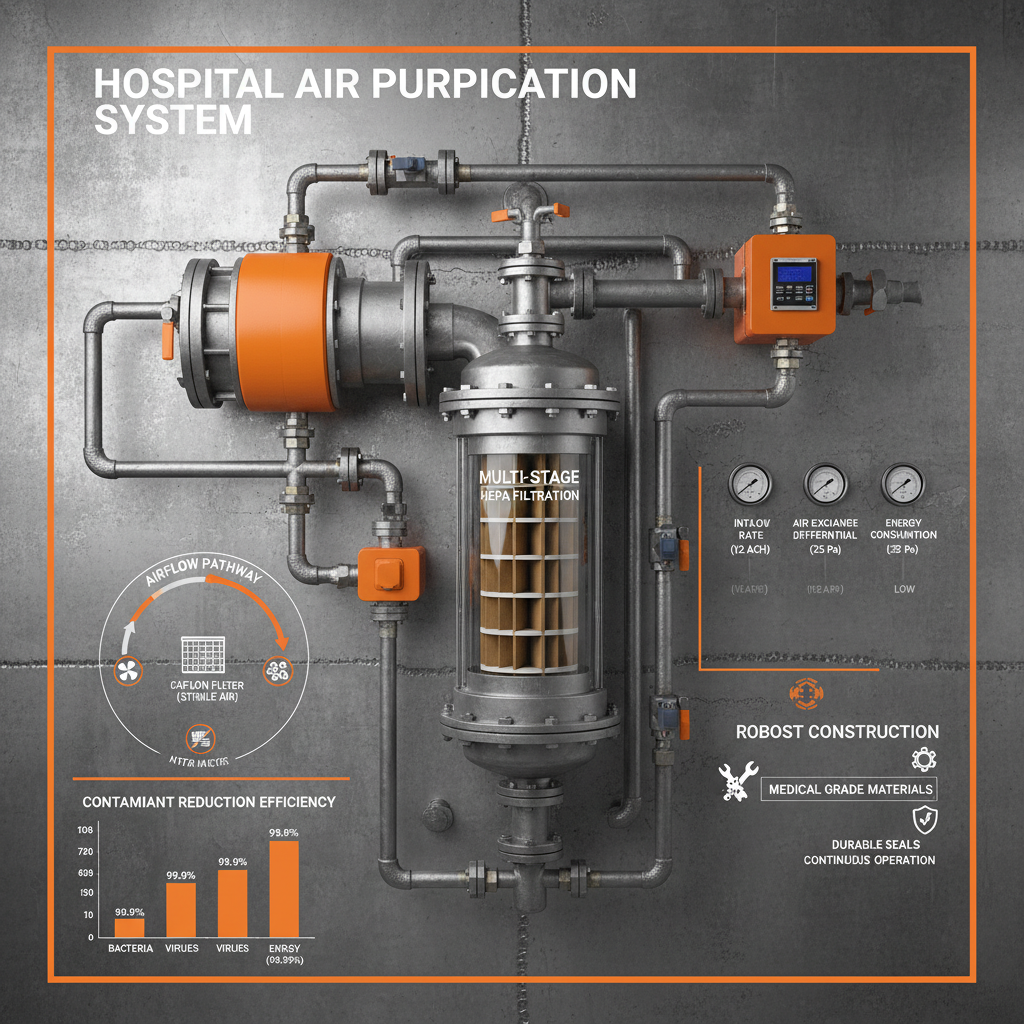
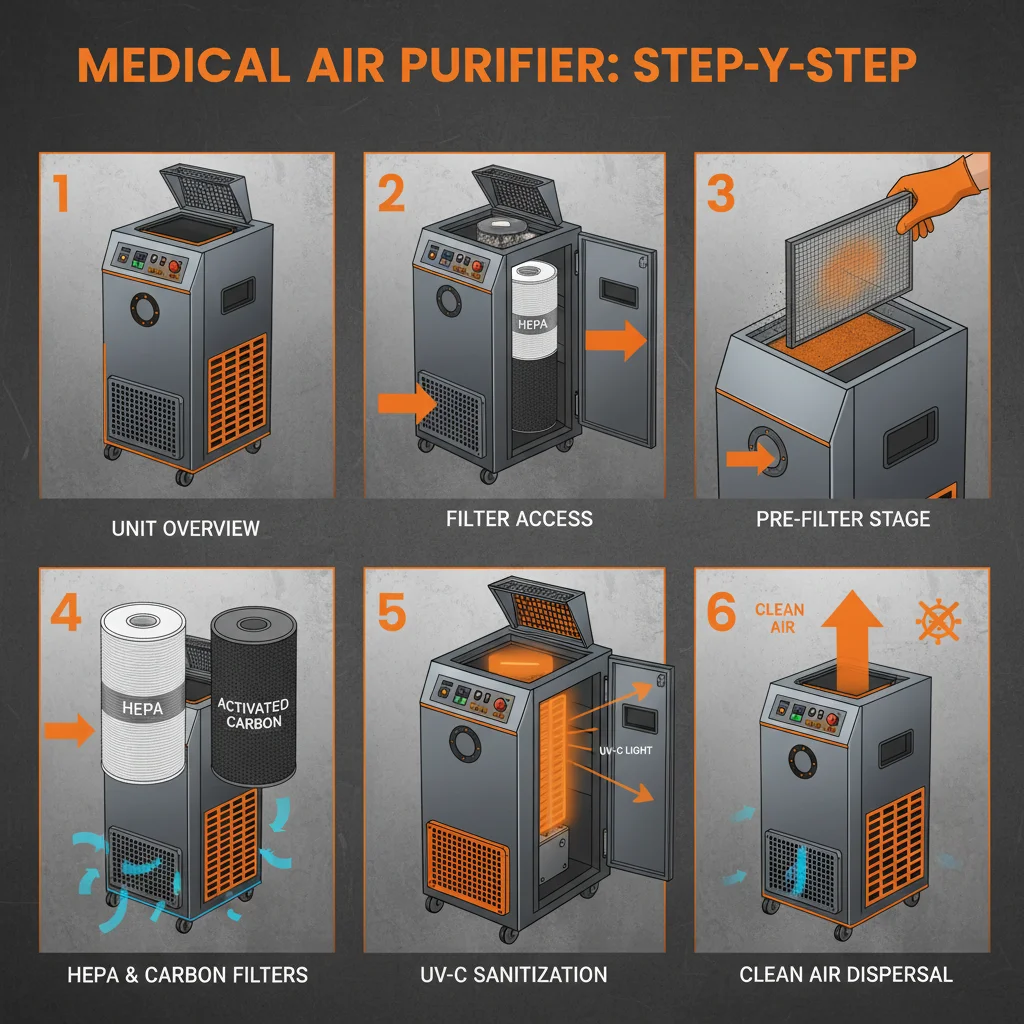
Hospital air filtration systems are engineered to maintain air quality within healthcare facilities by removing a wide spectrum of airborne particles and pollutants. These systems typically involve a combination of filtration stages, often including pre-filters to capture larger particles, HEPA (High-Efficiency Particulate Air) filters to remove microscopic contaminants, and potentially activated carbon filters for odor and volatile organic compound (VOC) control.
Unlike standard HVAC systems designed for comfort, hospital air filtration prioritizes sterile air delivery. This is especially critical in operating rooms, intensive care units, and isolation wards. The systems are designed to meet stringent regulatory requirements set by organizations like ASHRAE (American Society of Heating, Refrigerating and Air-Conditioning Engineers) and local health authorities.
The connection to modern industry and humanitarian needs stems from the increasing recognition of airborne transmission as a significant pathway for infectious disease spread. Effective air filtration is not only vital in hospitals but also in laboratories, pharmaceutical manufacturing facilities, and even during emergency response situations requiring temporary medical facilities.
Key Components of Effective Filtration
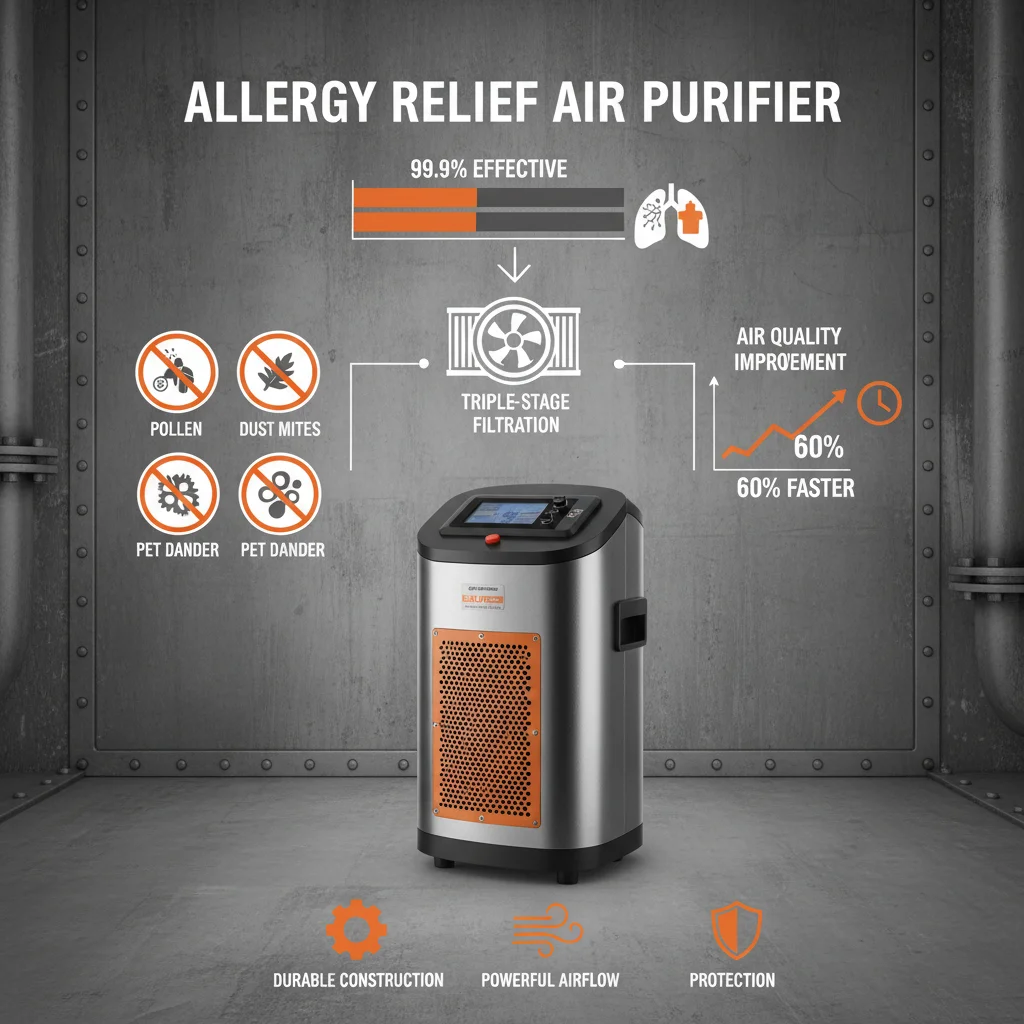
Several core components contribute to the effectiveness of hospital air filtration systems. First, Filter Efficiency is paramount, with HEPA filters being the gold standard for capturing 99.97% of particles 0.3 microns in size. Second, Airflow Dynamics – the way air moves through a space – significantly impacts contaminant removal, requiring careful system design to ensure complete air turnover and avoid stagnant areas.
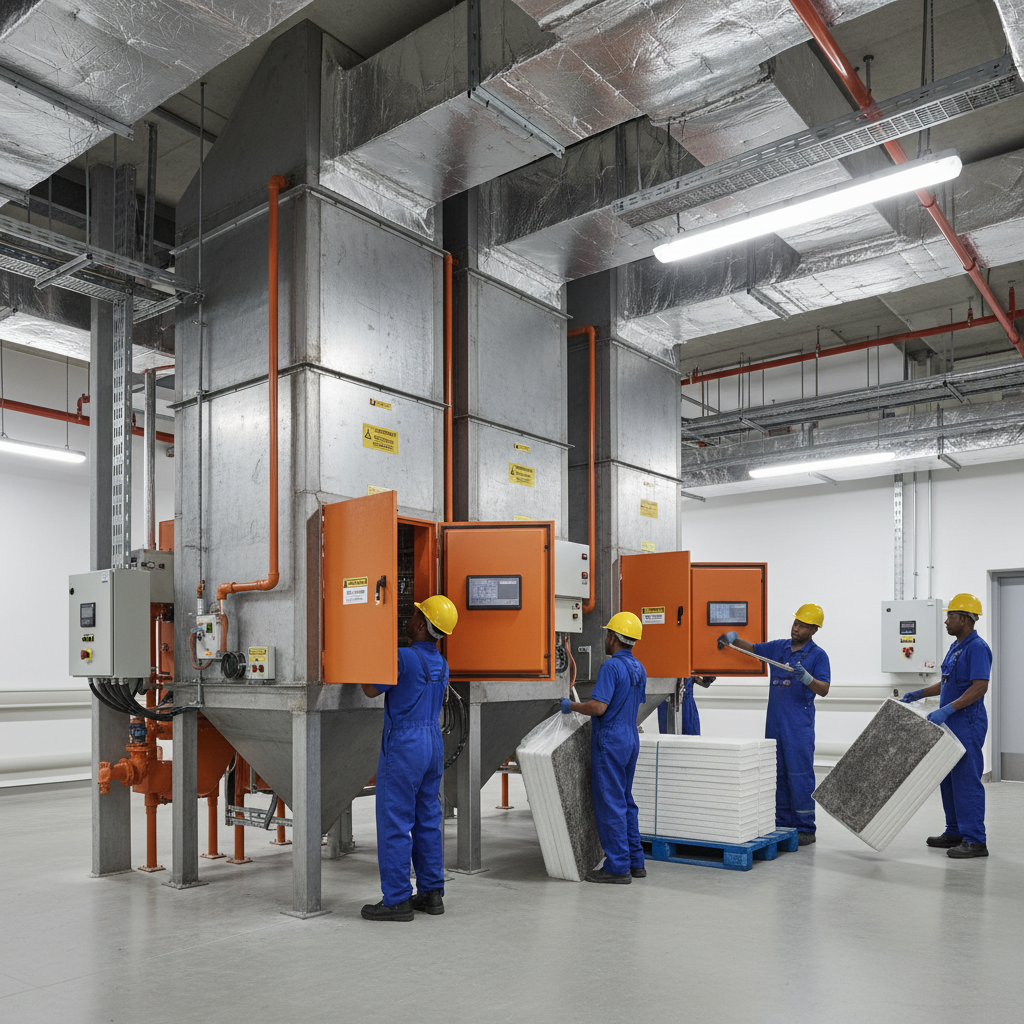
Third, System Maintenance is crucial; regular filter replacement, leak detection, and performance monitoring are essential to maintain optimal functionality. Neglecting maintenance can dramatically reduce a system's effectiveness. Fourth, Ultraviolet Germicidal Irradiation (UVGI), often integrated into systems, uses UV light to inactivate bacteria, viruses, and other microorganisms.
Finally, Monitoring and Control Systems provide real-time data on air quality parameters, allowing for adjustments to optimize performance and ensure compliance with regulatory standards. These systems often include sensors for particulate matter, temperature, humidity, and pressure. The synergistic combination of these components creates a robust air filtration solution.
Global Applications and Implementation
Hospital air filtration systems are implemented globally, with varying degrees of sophistication depending on regional healthcare infrastructure and economic resources. Developed countries generally employ advanced multi-stage filtration systems with rigorous monitoring protocols, while developing nations often rely on simpler, more affordable solutions.
In regions with high levels of air pollution, such as parts of Asia and the Middle East, hospital air filtration systems are especially critical for protecting patients from environmental contaminants. Organizations like the World Health Organization (WHO) actively promote the adoption of effective air filtration practices in healthcare facilities worldwide.
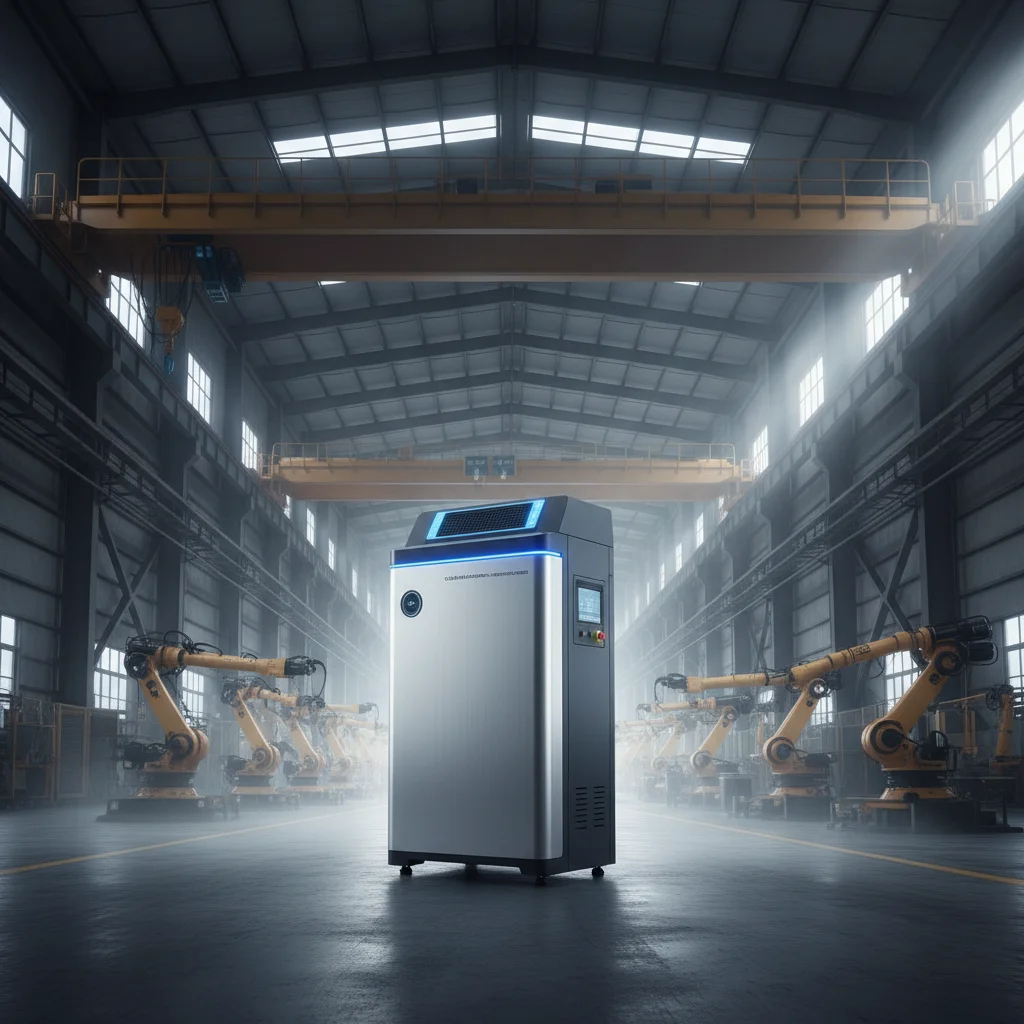
Applications extend beyond traditional hospitals to include clinics, dental offices, laboratories, and pharmaceutical manufacturing plants. In post-disaster relief operations, portable air filtration units are deployed to create safe havens for medical personnel and patients in temporary field hospitals. The demand for reliable hospital air filtration systems continues to grow, driven by increasing global health concerns.
Hospital Air Filtration System Effectiveness Comparison
Advantages and Long-Term Value
The advantages of investing in high-quality hospital air filtration systems are multifaceted. Tangible benefits include reduced healthcare-associated infection rates, leading to lower treatment costs and improved patient outcomes. Sustainability is also a key factor, as efficient filtration systems can reduce energy consumption compared to simply increasing ventilation rates.
From a social impact perspective, improved air quality creates a safer and more comfortable environment for both patients and healthcare workers, fostering trust and enhancing the overall healthcare experience. The long-term value lies in preventative care – by minimizing the spread of airborne pathogens, hospitals can reduce the burden on their resources and focus on providing optimal patient care.
Future Trends and Innovations
The future of hospital air filtration systems is poised for innovation. Advancements in nanomaterials are leading to the development of filters with even higher efficiency and lower pressure drop. Integration with Building Management Systems (BMS) allows for automated monitoring and control, optimizing performance based on real-time conditions.
The adoption of digital twin technology will enable virtual modeling and simulation of airflow patterns, facilitating more effective system design and optimization. Furthermore, research into bio-based and biodegradable filter materials is gaining momentum, aligning with sustainability goals and reducing environmental impact.
Challenges and Mitigation Strategies
Despite advancements, challenges remain in the effective implementation of hospital air filtration systems. One major hurdle is the cost of installation and maintenance, particularly for smaller healthcare facilities. Another is the potential for improper installation or maintenance, leading to reduced performance.
Mitigation strategies include exploring cost-effective filtration technologies, providing comprehensive training for maintenance personnel, and implementing rigorous quality control programs. Developing standardized testing protocols and certification programs can also help ensure that systems meet established performance standards.
Addressing the challenge of balancing airflow and energy efficiency is also crucial. Implementing variable frequency drives (VFDs) and optimizing ductwork design can help minimize energy consumption without compromising air quality.
Summary of Hospital Air Filtration System Challenges and Solutions
| Challenge |
Impact on Hospital Air Filtration Systems |
Proposed Solution |
Implementation Cost (1-10) |
| High Initial Cost |
Limits adoption in smaller facilities. |
Explore modular, scalable systems; leasing options. |
7 |
| Improper Maintenance |
Reduced filtration efficiency, increased infection risk. |
Comprehensive training programs for technicians. |
5 |
| Airflow Imbalance |
Stagnant air pockets, reduced contaminant removal. |
Computational Fluid Dynamics (CFD) modeling for design. |
8 |
| Energy Consumption |
Increased operating costs, environmental impact. |
Variable Frequency Drives (VFDs), efficient fan design. |
6 |
| Filter Compatibility |
Using incorrect filters reduces efficiency. |
Standardized filter specifications and supplier vetting. |
4 |
| Lack of Monitoring |
Inability to detect performance degradation. |
Real-time air quality sensors and data analytics. |
7 |
FAQS
HEPA (High-Efficiency Particulate Air) filters capture 99.97% of particles 0.3 microns in size, making them standard for hospital air filtration. ULPA (Ultra-Low Penetration Air) filters are even more effective, capturing 99.999% of particles, including smaller ones. While ULPA offers superior filtration, HEPA is often sufficient for most hospital applications and is more cost-effective. ULPA filters are generally reserved for critical environments like cleanrooms or areas handling highly hazardous materials.
The frequency of filter replacement depends on several factors, including filter type, air quality, and system usage. Pre-filters typically need replacing every 1-3 months, while HEPA filters generally last 6-12 months. Regular monitoring of pressure drop across the filter is crucial; a significant increase indicates the filter is becoming clogged and needs replacement. Following manufacturer’s recommendations and conducting routine inspections are essential.
UVGI (Ultraviolet Germicidal Irradiation) utilizes UV-C light to inactivate bacteria, viruses, and other microorganisms. It's often used as an adjunct to filtration, particularly in air ducts or upper-room air disinfection. UVGI doesn't remove particles like filters do, but it effectively neutralizes airborne pathogens, reducing the risk of infection. Proper design and safety precautions are essential when implementing UVGI systems.
Ensuring proper airflow is critical. This involves carefully designing the HVAC system to create laminar airflow patterns, minimizing stagnant zones. Regular ductwork inspections are crucial to identify leaks or obstructions. Computational Fluid Dynamics (CFD) modeling can be used to simulate airflow and optimize system design. Supply and return air vents should be strategically placed to promote complete air turnover.
Several organizations set standards for hospital air filtration. ASHRAE (American Society of Heating, Refrigerating and Air-Conditioning Engineers) Standard 170 provides guidelines for ventilation and filtration in healthcare facilities. Local and national health authorities often have specific requirements. Compliance with these standards is essential to ensure patient safety and avoid legal liabilities.
Yes, several sustainable options are emerging. These include using filters made from recycled materials, implementing energy-efficient fan systems with VFDs, and exploring bio-based filter media. Optimizing system design to minimize energy consumption and reducing filter waste through extended-life filters are also sustainable practices. Life cycle assessments can help evaluate the environmental impact of different filtration systems.
Conclusion
In conclusion, hospital air filtration systems are indispensable for maintaining safe and healthy healthcare environments. From foundational components like HEPA filters to emerging technologies like UVGI and digital monitoring, these systems play a vital role in preventing the spread of airborne infections, improving patient outcomes, and reducing healthcare costs. Ongoing investment in advanced filtration technologies and meticulous maintenance practices are paramount.
Looking ahead, continued innovation in materials, automation, and data analytics will further enhance the effectiveness and efficiency of hospital air filtration. Proactive adaptation to evolving regulatory standards and a commitment to sustainable practices will ensure that these systems continue to safeguard the health of patients and healthcare professionals for generations to come. For advanced solutions and expert guidance, visit our website: hospital air filtration systems.